

Table of Contents
1.The Growing Demand for Airless Skincare Packaging
In today’s skincare market, product protection and hygiene have become just as important as formulation quality. As consumers grow more aware of contamination risks and ingredient oxidation, brands are increasingly turning to airless packaging to preserve formula integrity. Unlike traditional pump bottles or open jars, airless systems prevent air exposure, keeping active ingredients stable and extending shelf life.
For skincare manufacturers and private-label brands, choosing the right airless solution is not just about following a trend—it’s about ensuring consistency, safety, and premium presentation. In this article, we’ll explore how airless technology works, compare different types of airless containers, and help you determine which option best suits your skincare formulations.
2.What Is Airless Packaging and How Does It Work?
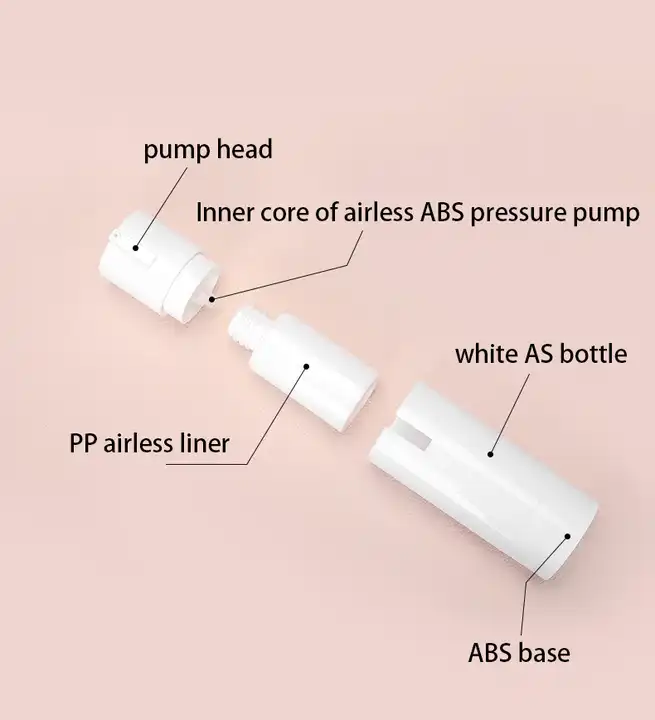
Many airless pump packages use a rising piston or a collapsible inner pouch to dispense the formula while limiting air entering the product chamber. The mechanism depends on the package design. Before choosing a bottle, test it with your actual formula for dispensing consistency, compatibility, leakage and product evacuation. Airless packaging does not replace stability or preservative efficacy testing, and performance should be verified for the intended storage and use conditions.
3.Benefits of Airless Packaging for Skincare Products
The rise of airless packaging in skincare is driven by both functional and marketing advantages. Brands that adopt airless systems often benefit from longer shelf life, cleaner formulations, and a more premium image. Below are the key benefits that make airless packaging a preferred choice for modern skincare lines:
1. Protects Against Contamination and Oxidation
The sealed environment prevents air and bacteria from entering, keeping formulas fresh and effective—especially important for natural or preservative-free products.2. Extends Shelf Life and Stability
By limiting oxygen exposure, airless containers help maintain ingredient potency over time, allowing brands to market products with longer stability claims.3. Enables Precise, Controlled Dispensing
Each pump delivers a consistent amount of product, minimizing waste and ensuring a more hygienic application.4. Reduces Need for Preservatives
Because the formula isn’t exposed to air, manufacturers can reduce the use of preservatives—appealing to consumers seeking “clean beauty.”5. Enhances Brand Perception
Airless designs communicate innovation, quality, and sophistication, reinforcing a premium skincare identity.
From a consumer’s perspective, airless packaging combines practical performance with aesthetic appeal, making it a smart investment for any skincare brand aiming to elevate product experience and trust.
4.Common Airless Packaging Types and Their Differences
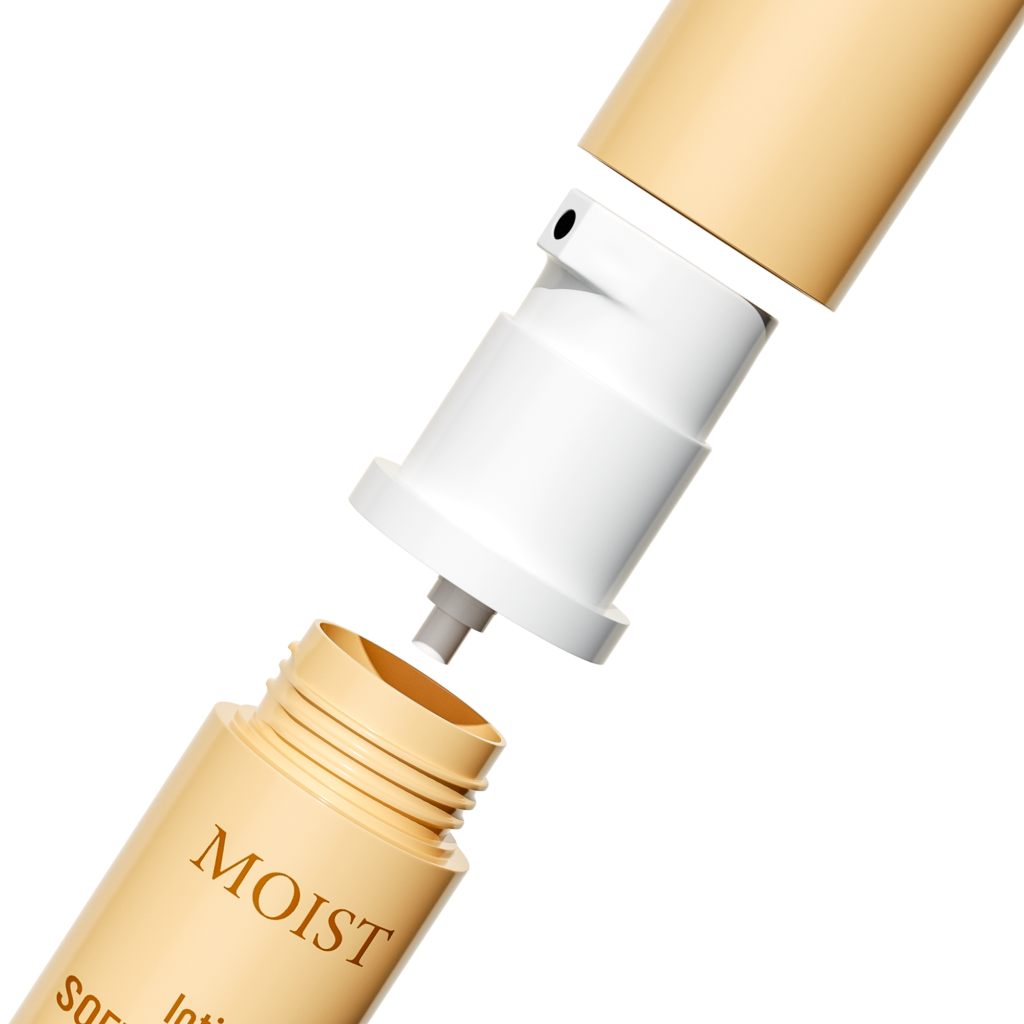
To understand the true value of airless packaging, it’s important to compare it with conventional packaging solutions like regular pump bottles, squeeze tubes, and open jars. Each type offers distinct advantages, but airless technology delivers superior protection and performance for advanced skincare formulations.
| Packaging Type | Structure & Function | Key Advantages | Limitations | Ideal Use |
|---|---|---|---|---|
| Airless Bottle | Uses a piston or inner-bag vacuum system to dispense without air intake. | Prevents oxidation and contamination, ensures accurate dosing, supports premium image. | Slightly higher cost, more complex filling process. | Serums, emulsions, active-rich skincare. |
| Regular Pump Bottle | Draws air back into container after each pump. | Cost-effective, widely used, suitable for stable formulations. | Air exposure reduces product stability over time. | Lotions, daily-use skincare. |
| Squeeze Tube | Flexible tube that releases product by manual pressure. | Lightweight, portable, low production cost. | Limited air protection, less control on dosing, less luxurious appearance. | Sunscreens, travel-size creams. |
| Open Jar | Wide-mouth container accessed by hand or spatula. | Easy to use, customizable design. | High contamination risk, faster oxidation, less hygienic. | Masks, thick creams (when not air-sensitive). |
Compared to traditional options, airless bottles and airless jars provide unmatched formula protection and precise dispensing. They are particularly valuable for formulations containing actives such as vitamin C, retinol, or botanical extracts—where even small amounts of air exposure can compromise product efficacy and shelf life.
5.How to Choose the Right Airless Packaging for Your Formulation
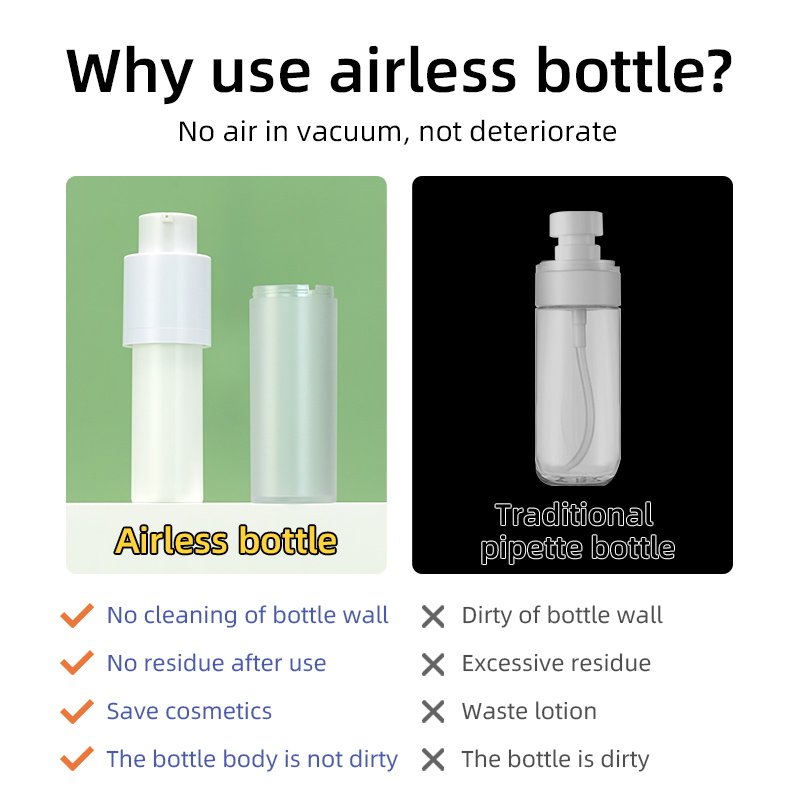
Selecting the right airless packaging for skincare formulations involves more than choosing an attractive design. It requires aligning the packaging’s functionality with the product’s texture, ingredient sensitivity, and brand positioning. Below are the key criteria to guide your decision:
1. Product Viscosity
Different viscosities require different dispensing mechanisms. Lightweight serums perform best in airless pump bottles, while thicker emulsions or rich creams may need airless jars or high-output pumps that prevent clogging.
2. Ingredient Sensitivity
If your formula contains active ingredients such as retinol, vitamin C, or natural extracts, airless packaging becomes essential to protect them from oxidation and UV exposure. For such products, opt for opaque containers or UV-coated bottles to enhance stability.
3. Filling and Dispensing Requirements
Consider your production line’s filling capabilities and the desired dispensing volume per pump. Airless systems with pistons are ideal for high-precision dosing, while bag-in-bottle designs are more flexible for larger volumes.
4. Target Market and Branding
Luxury brands often prefer thick-walled acrylic bottles or frosted finishes to convey elegance, whereas clinical or minimalist brands may choose sleek, matte finishes that emphasize purity and functionality.
5. Sustainability Goals
Eco-conscious brands should explore recyclable or refillable airless systems, which are becoming increasingly popular in the U.S. and European markets.
💡 Case Example:
A European skincare startup launched its new antioxidant serum using an airless pump bottle with UV protection. By doing so, the brand achieved a 35% increase in product stability testing results and reduced customer complaints about formula oxidation by over 50%.
6.How Airless Bottles Improved Serum Stability and User Experience
One of the best ways to understand the value of airless bottles is to see how they perform in real applications. Here’s a practical example from a skincare brand that upgraded its packaging to enhance formula stability and consumer satisfaction.
Case Example:
A European skincare company launched a vitamin C serum known for its brightening effect—but within six months, the brand noticed increasing complaints about color changes and reduced efficacy. The problem was traced back to oxidation caused by air exposure through the traditional pump bottle, which allowed small amounts of air to re-enter after each use.
To solve this, the company switched to an airless bottle featuring a piston-based dispensing system. This design completely sealed the product, preventing oxygen from entering the container. The brand also selected a UV-protective frosted outer layer to minimize light degradation.
Results:
Improved formula stability by 40%, verified in accelerated shelf-life tests.
Reduced oxidation-related color change, keeping the serum visually consistent.
Enhanced consumer confidence, as customers noticed the product stayed fresh until the last drop.
Higher perceived value, with the sleek airless bottle reinforcing the brand’s premium positioning.
This case demonstrates that airless bottles are not just packaging—they are part of the product protection system. By controlling exposure to air and light, brands can maintain the potency and appeal of their formulations, ultimately boosting both performance and brand trust.
7.Potential Drawbacks and Limitations of Airless Packaging
While airless packaging offers significant advantages for skincare formulations, it is not without limitations. Understanding these potential challenges helps brands plan ahead and choose the most suitable solution for their products and production needs.
1. Higher Production Cost
Airless systems are mechanically more complex than standard pump bottles or tubes, resulting in higher unit costs. For brands with tight budgets or mass-market positioning, this may affect overall pricing strategy.
2. Technical Filling Requirements
Because the container must remain sealed and vacuum-tight, the filling process requires specialized equipment and precision control. Any trapped air during filling can affect pump performance, increasing the need for quality control.
3. Limited Compatibility with Extremely Thick Formulas
Although airless technology works well with most skincare textures, extremely viscous or wax-based products may be difficult to dispense smoothly unless specifically designed with higher output pumps or wide-mouth structures.
4. Recycling and Sustainability Challenges
Some airless components—especially multi-material pistons and metal springs—are harder to recycle. However, newer designs using single-material plastics or refillable systems are emerging as eco-friendly alternatives.
5. Supply Chain Lead Time
Due to the more intricate structure and demand for customization, lead times for airless packaging can be longer than for conventional bottles. Early planning with suppliers helps prevent delays in product launches.
Despite these considerations, most skincare brands find the benefits—longer shelf life, cleaner formulas, and improved consumer trust—far outweigh the drawbacks. With proper design and supplier support, airless systems can be efficiently integrated into both premium and mid-tier product lines.
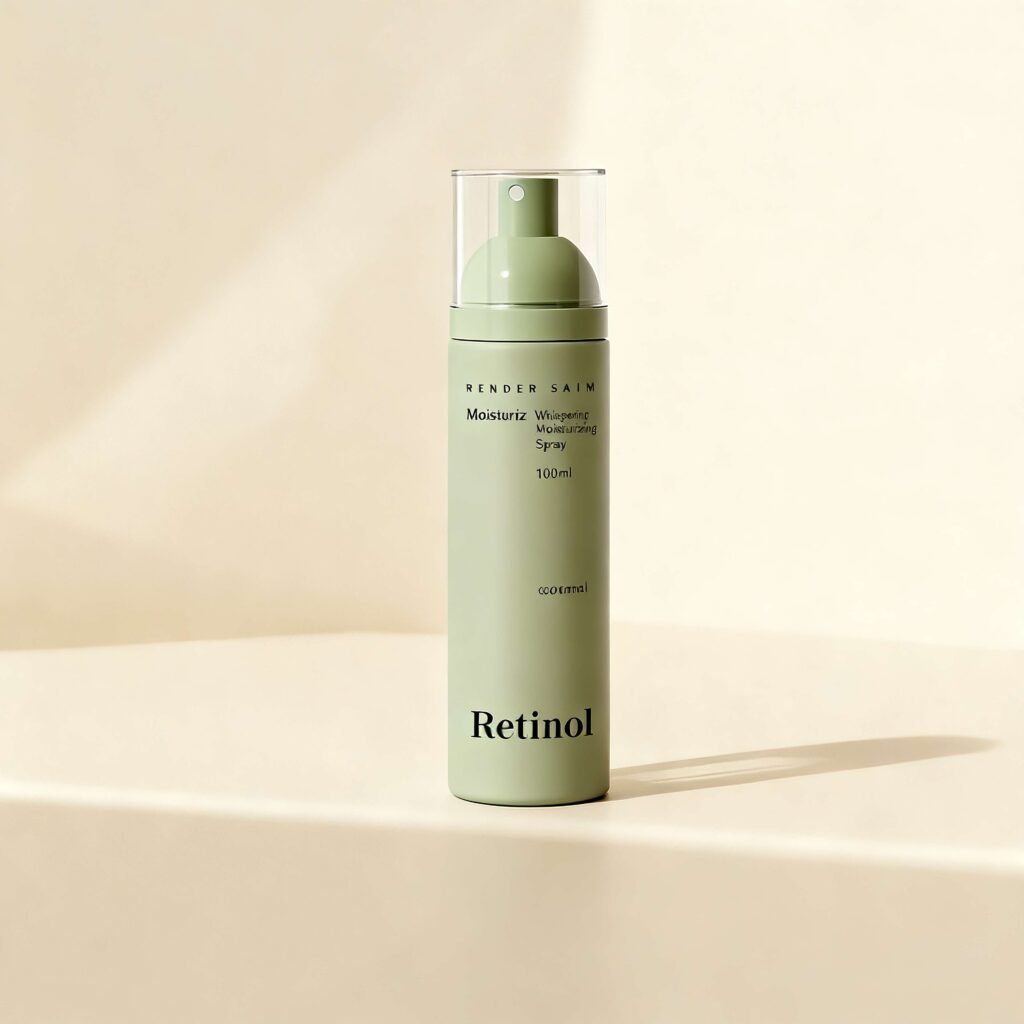
8.Smart Packaging for Smarter Skincare
As skincare formulations become more advanced and ingredient-sensitive, packaging innovation plays a critical role in protecting product integrity and elevating brand experience. Airless packaging is no longer just a trend—it has become a standard for modern skincare brands that value performance, hygiene, and premium presentation.
By choosing the right airless system—whether a piston bottle for serums or a bag-in-bottle design for emulsions—brands can ensure precise dispensing, longer shelf life, and consumer confidence. Moreover, collaborating closely with an experienced cosmetic packaging supplier helps streamline testing, customization, and sustainability efforts.
Ultimately, airless technology represents the intersection of science and design in skincare. It protects what matters most—the formula—while delivering a cleaner, more luxurious experience to users. Smart packaging leads to smarter skincare, and brands that invest in it are better equipped to earn lasting trust in competitive global markets.