

Table of Contents
Why Packaging Consistency Is the First Step to a Strong Brand
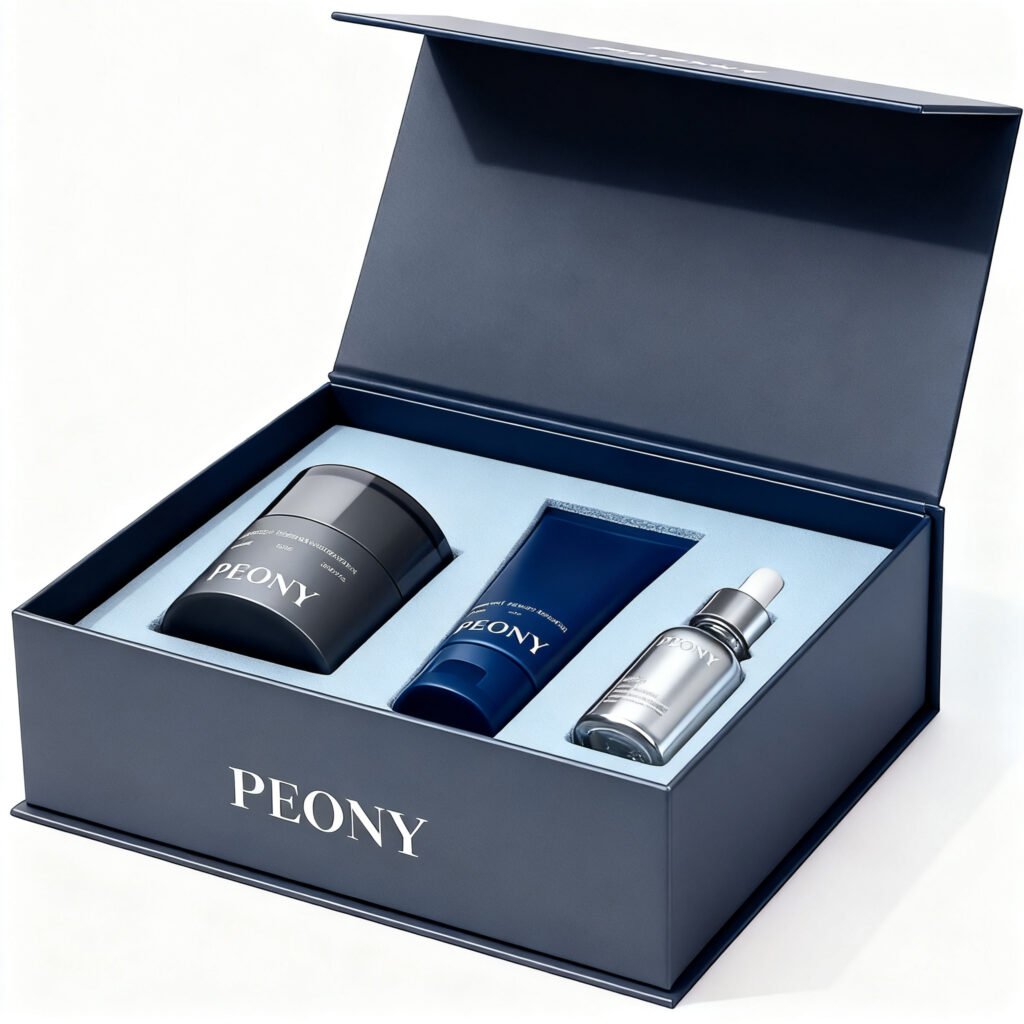
When a skincare brand starts expanding beyond a single product, packaging inconsistency often becomes the first roadblock. A cleanser might come in one type of bottle, the toner in another, and the cream in a completely different style. On the shelf, the whole line feels disconnected. As a cosmetic packaging supplier, I’ve seen this situation slow down many brands: customers may like one product but hesitate to buy the full set. That’s why color alignment and set packaging are more than design details—they are brand essentials. A cohesive look makes your products feel like part of a family, building immediate trust with customers.
How Set Packaging Strengthens Brand Recognition
Consistent packaging does more than look tidy—it directly boosts recognition. Research by Nielsen shows that brands with consistent visual systems enjoy up to 30% higher recognition compared to those with fragmented packaging. When bottles, jars, and colors follow the same design logic, customers identify the line faster and perceive it as more professional. I’ve seen brands with mismatched packaging struggle to stay memorable, even with strong formulas. In contrast, those that invested in set packaging quickly stood out, with retailers also preferring them for easier display. A cosmetic packaging supplier can provide guidance on coordinated palettes and finishes, helping brands achieve this recognition without endless trial and error.
Why Packaging Sets Influence Buying Decisions
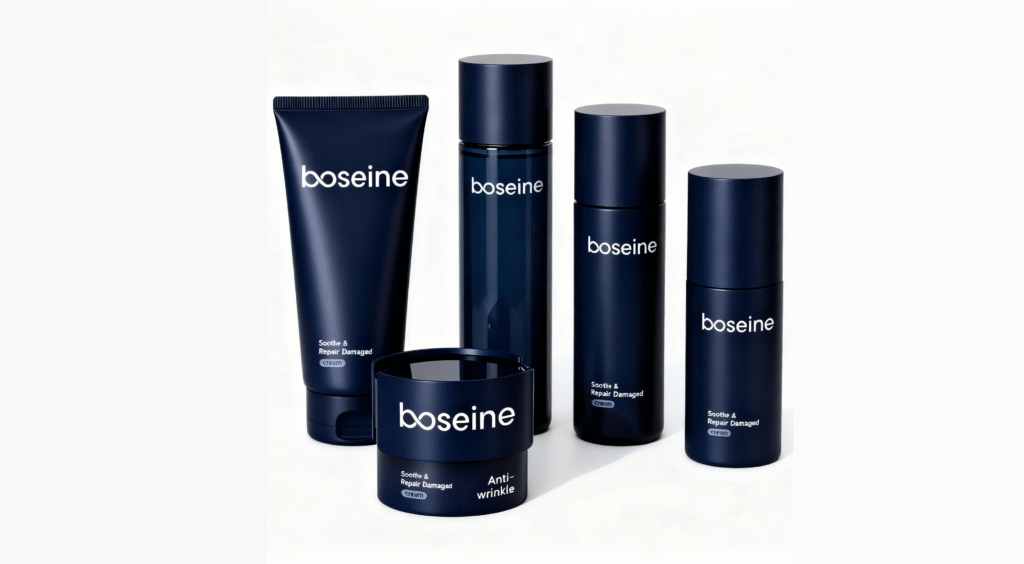
Customers don’t usually compare formulas on the spot, but they instantly react to how a product line looks together. A skincare routine that feels coordinated tells them the brand is trustworthy and worth trying as a whole. One startup I worked with launched three products—a cleanser, toner, and cream—each in different packaging. Most buyers only picked up the cleanser. After switching to set packaging with aligned bottles and matching colors, sales of the full routine increased by 42% within two months. This shows that packaging consistency is not just about design—it directly drives purchasing behavior.
📊 Comparison Chart: Customer Buying Behavior Change
Uncoordinated Packaging: Customers tend to buy only one product, average order value stays low.
Set Packaging: Customers are more likely to buy the whole skincare routine (cleanser + toner + cream), increasing average order value.
| Situation | Average Items per Purchase | Order Value (Relative) | Notes |
|---|---|---|---|
| Uncoordinated Packaging | 1 item | Low | Customer only picks one hero product |
| Set Packaging | 2–3 items | High | Customer buys the full skincare set |
How Suppliers Support Startups vs Established Brands
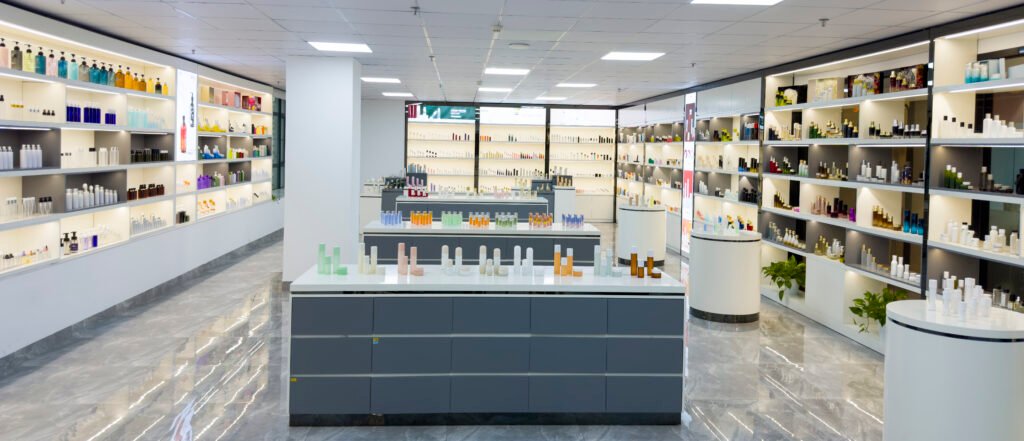
Different brands have different needs. Startups usually want flexibility—low MOQ, quick samples, and guidance on making stock bottles look branded. In these cases, a cosmetic packaging supplier can offer ready-to-ship bottles, add simple logo printing at 1000pcs, and suggest basic color palettes that make the products feel like a set without heavy investment. Established brands, however, look for differentiation. They ask for custom skincare solutions with special color matching, unique finishes, and set packaging concepts that align with seasonal campaigns. By adapting their support, suppliers help startups look professional early on and enable mature brands to refine their identity while scaling up.
📌 Comparison Table: Packaging Needs of Startups vs Established Brands
| Dimension | Startup Brands | Established Brands |
|---|---|---|
| MOQ | 1000pcs for logo/label printing | 5000pcs for custom colors/finishes |
| Lead Time | Samples 3–5 days, production ~20 days | Longer cycles but stable delivery |
| Design Support | Basic color guidance + stock bottle matching | In-depth set packaging design + range extension |
| Customization | Low: use stock bottles first to build a look | High: custom molds, exclusive colors, finishes |
| Main Goal | Fast testing + cost control | Differentiation + brand upgrading |
Why Color and Set Packaging Save Time in Product Launches
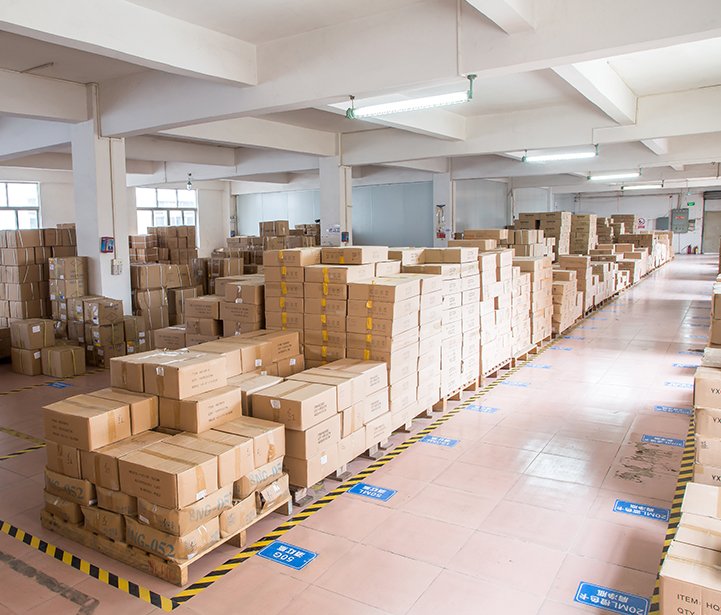
Every product launch is a race against time. Marketing wants to release before competitors, while operations worry about production delays. I’ve seen brands lose their momentum because custom molds took 90 days or more, pushing the launch window too far. By working with a cosmetic packaging supplier who offers stock bottles, color guidance, and fast delivery, brands can cut the process dramatically. Samples of stock options can be ready in 3–5 days, production in about 20 days. Compared with 3–4 months for full customization, this saves 2–3 months—often the difference between catching or missing a trend.
📊 Time Comparison: Stock Bottles vs Custom Molds
| Option | Sample Lead Time | Production Lead Time | Total Timeline |
|---|---|---|---|
| Stock Bottles | 3–5 days | ~20 days | ~25 days |
| Custom Molds | 20–30 days | 60–90 days | 80–120 days |
The Business Value of Set Packaging Beyond Design
It’s easy to assume coordinated packaging is just about looking good, but the impact goes further. A unified set improves shelf presence and makes cross-selling easier. Customers are more likely to buy a cleanser, toner, and cream as a set when the packaging looks consistent. Retailers also prefer brands with coordinated packaging because displays are simpler and sell-through is stronger. In one retail chain I worked with, coordinated packaging helped a brand increase shelf turnover by 25% in six months. With support from a cosmetic packaging supplier offering both stock bottles and custom skincare solutions, brands gain not just aesthetics but a measurable commercial advantage.
📈 Commercial Impact of Set Packaging
Cross-selling improves → customers buy more than one item.
Retailer preference → easier display, stronger push in-store.
Sales uplift → case example: +25% shelf turnover in six months.
How Suppliers Use Color Guidance to Simplify Decisions
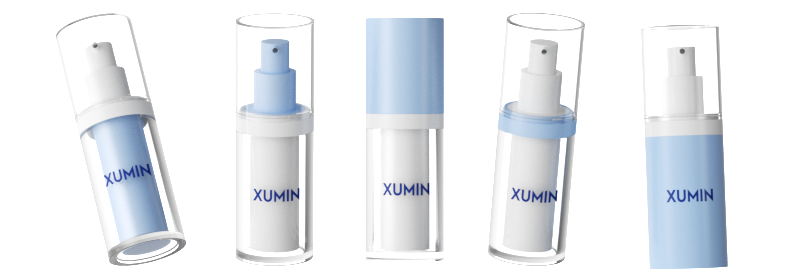
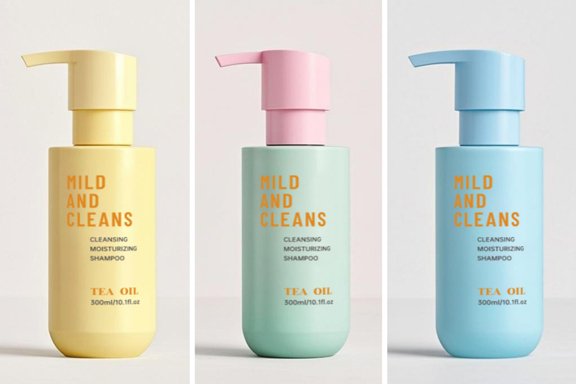
Color choices often cause delays. A cleanser in white, a toner in light blue, a cream in soft green—teams can spend weeks debating without progress. I’ve seen product launches postponed for over a month because of color indecision. A professional cosmetic packaging supplier solves this by offering ready-made palettes and set concepts. Instead of starting from scratch, brands can view 2–3 coordinated options, then fine-tune details to fit their identity. In one case, a mid-size brand reduced decision time from 6 weeks to just 1 day after receiving supplier color guidance.
🎨 Supplier Color Guidance Workflow
Provide 2–3 pre-designed color palettes.
Show how colors look across bottles, jars, and closures.
Brand adjusts tones or accents to match identity.
Finalize set packaging concept quickly.
Set Packaging as a Tool for Long-Term Brand Growth
Strong brands aren’t built from one product—they grow from consistency. When every launch follows the same visual rules—matching bottles, coordinated colors, and familiar finishes—the brand identity compounds over time. Customers recognize it instantly, whether it’s skincare, body care, or hair care. I’ve worked with brands that extended from facial care into body care while maintaining the same set packaging system, and the transition felt seamless. With a cosmetic packaging supplier offering stock bottles for fast delivery and custom skincare solutions for expansion, brands scale without losing their visual identity.
📈 Long-Term Growth Benefits of Set Packaging
Brand Memory: consistent visuals increase recognition over years.
Category Expansion: skincare → body care → hair care with seamless transition.
Scalable System: balance between stock bottles for speed and custom solutions for differentiation.
Practical Steps to Start With Set Packaging Today
Many brand owners know the value of set packaging but don’t know where to begin. The most practical way is to start small. First, choose a cosmetic packaging supplier that offers both stock bottles and custom skincare solutions. Begin with ready-to-ship bottles, add logo printing at 1000pcs, and use simple coordinated colors to build a family look. Once the market response is clear, move to deeper customization at 5000pcs or more, such as unique finishes or color matching. One indie brand I worked with followed this path: they started with stock bottles and basic logo printing, then upgraded to custom colors in their second year—growing sales by 60% while keeping costs under control.
🛠 Step-by-Step Approach
Start with stock bottles + simple color coordination.
Add logo printing at 1000pcs MOQ.
Collect market feedback and sales data.
Upgrade to custom colors/finishes at 5000pcs+.
Build a scalable set packaging system over time.
Set Packaging as a Strategic Partnership With Your Supplier
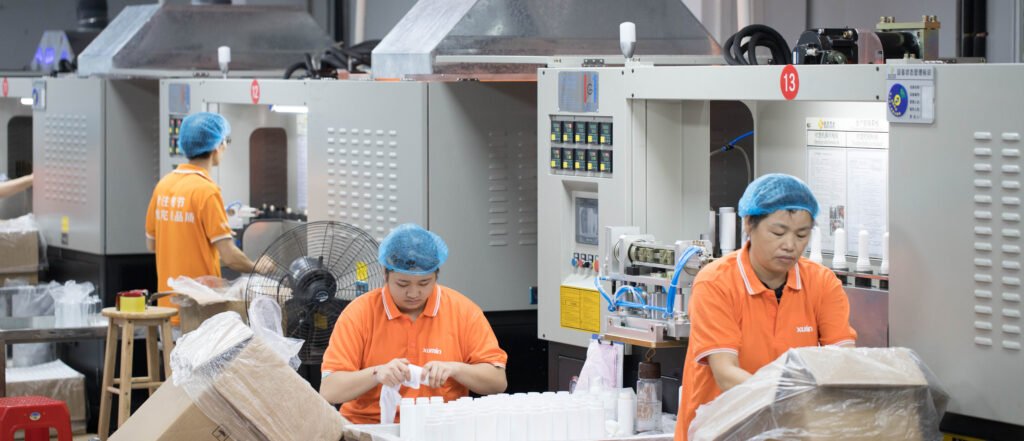
At the end of the day, packaging is not just a container—it’s part of your brand strategy. The most successful brands treat their cosmetic packaging supplier as a partner, not just a vendor. By collaborating on color choices, coordinated sets, and balancing stock bottles with custom skincare solutions, you build more than packaging—you build a brand identity that grows stronger with every launch. One global brand we supported maintained the same set packaging logic for five years, across dozens of product launches. The result: consistent shelf recognition worldwide and long-term customer trust. The right supplier doesn’t just deliver fast; they help you design a system that saves time, reduces cost, and builds recognition for years to come.
🤝 Strategic Value of Supplier Partnership
Supplier = partner, not just vendor.
Balance speed (stock bottles) and differentiation (custom solutions).
Build a scalable, recognizable brand identity over time.
Conclusion: Turning Packaging Into a Growth Strategy
Set packaging is more than matching bottles and colors—it’s a way to build recognition, accelerate launches, and strengthen trust at every stage of growth. Whether you’re a startup testing the market or an established brand refining your identity, the right cosmetic packaging supplier can provide the balance between speed and customization. By treating packaging as part of your brand strategy, not just a finishing touch, you turn every product launch into an opportunity to elevate your brand and create long-term value.